What It Is
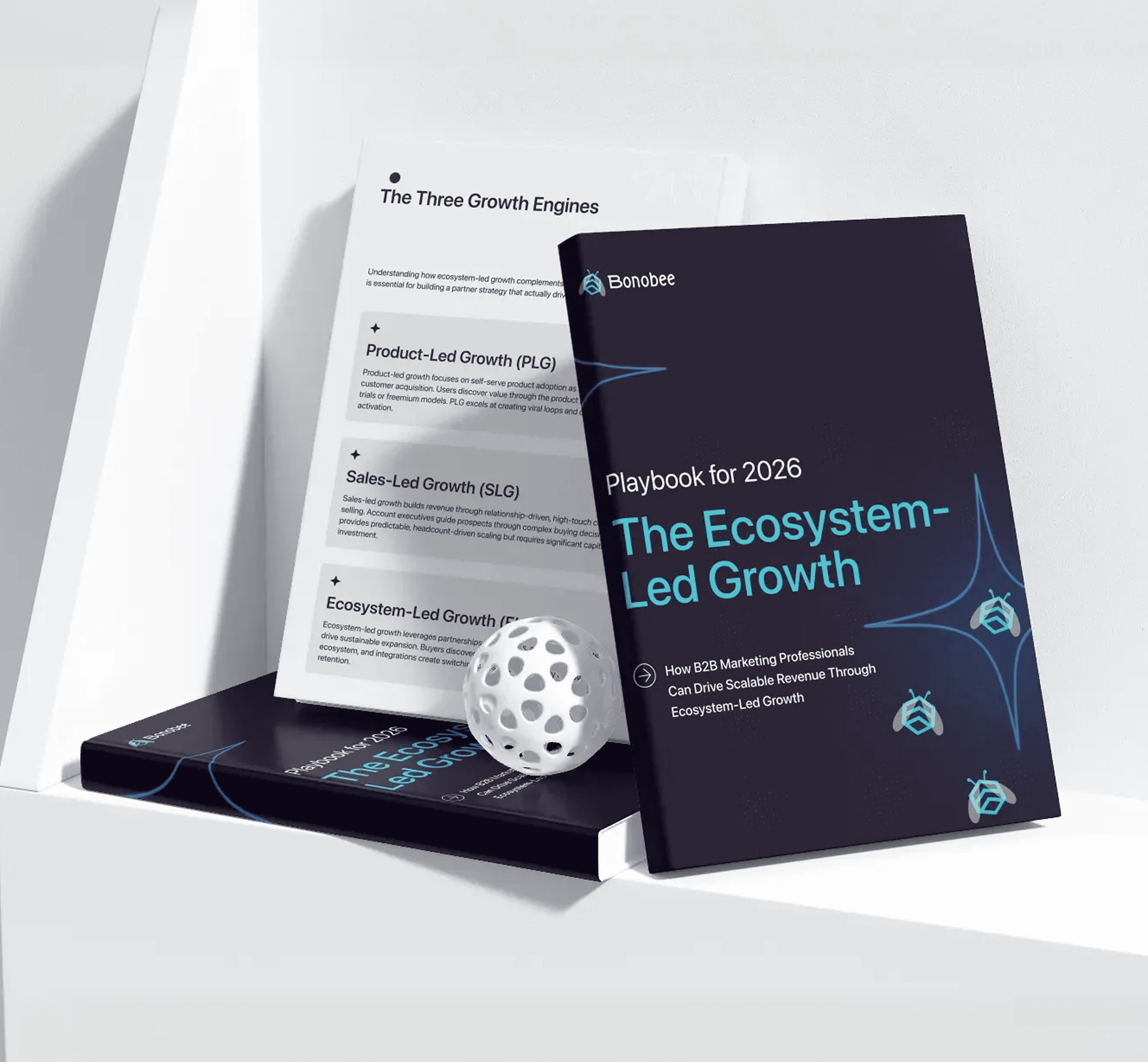
Co-marketing is when two companies team up to create and promote a shared campaign, like a guide, webinar, event, or email series. Each partner brings something to the table, whether it's audience reach, content expertise, or distribution power. The goal is simple: both sides get more visibility and leads than they would alone. Co-marketing is most effective when it's tied into a broader go-to-market plan. It works especially well for technology partners or agencies that target the same audience but offer different solutions. Done right, co-marketing builds trust with both customers and partners.
When to Use Co-Marketing
Launch co-marketing initiatives when you need to reach new audiences without massive advertising budgets, when partners have complementary offerings that create natural bundled messaging, or when entering markets where your partner has established credibility. Co-marketing works best between companies with similar customer profiles but non-competing products. Use it to validate new partnerships, test messaging with partner audiences, or build awareness in target segments where you lack brand recognition. It's particularly effective for product launches, market expansion, and thought leadership positioning.
How It Works
Co-marketing partners identify shared campaign objectives, target audiences, and content formats. They split responsibilities: one partner might create content while the other handles distribution, or both contribute equally to production and promotion. Common co-marketing formats include joint webinars, co-branded ebooks, shared conference booths, email cross-promotion, and social media campaigns. Partners track results separately to measure leads, engagement, and pipeline impact. Successful co-marketing includes clear agreements on brand usage, lead sharing, cost allocation, and promotion commitments from both sides.
Benefits for Partner Programs
Co-marketing expands reach by tapping into partner audiences you couldn't access alone. It validates your solution through association with established brands, making buyers more confident in your offering. In partner marketplaces and partner ecosystems, active co-marketing signals strong partnership health and attracts other potential partners. Co-marketing generates qualified leads at lower cost than paid advertising because partners share expenses and leverage existing audience trust. For B2B partner programs, co-marketing campaigns often produce higher conversion rates than solo campaigns because combined messaging addresses broader customer needs.
Co-Marketing vs Co-Selling
Co-marketing focuses on marketing collaboration to generate awareness and leads for both partners. Co-selling focuses on sales collaboration to close specific deals together. Co-marketing is top-of-funnel activity building brand awareness and filling pipelines. Co-selling is bottom-of-funnel activity converting opportunities into revenue. Most successful partner programs combine both: co-marketing generates qualified interest, then co-selling converts that interest into closed deals. Partner teams often start with co-marketing to build relationship foundations before advancing to co-selling coordination.